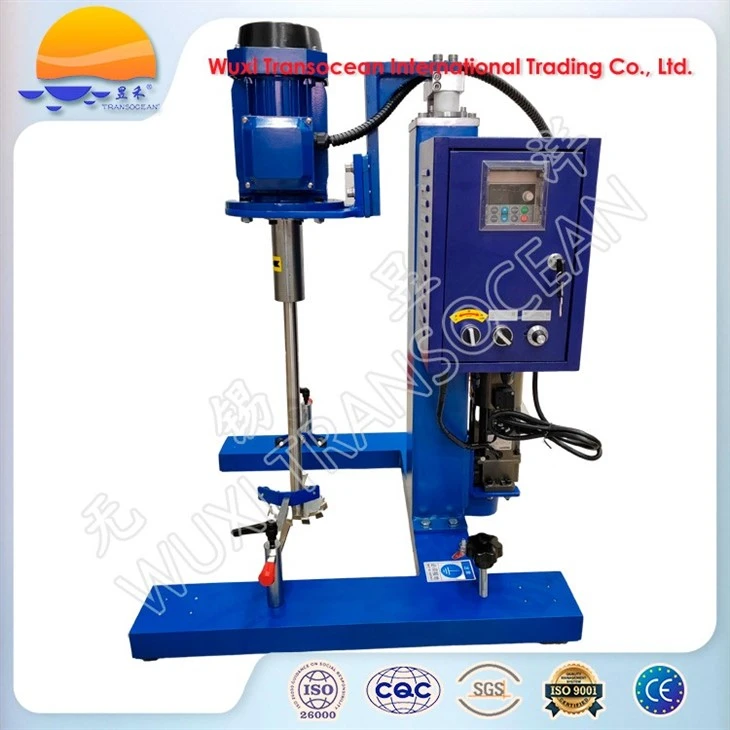
Apr 21, 2025
1. Equipment inspection and preparation
Power off and check the equipment: Before cleaning, be sure to power off the sand mill and unplug the power cord to ensure that the equipment is in a stopped state. Comprehensively check the various components of the sand mill and supporting equipment to ensure that there is no damage, looseness or abnormality.
Check the cooling system: Ensure that the cooling water inlet and outlet are unobstructed and the water temperature meets the requirements.
Clean the work area: Ensure that the work area is clean, free of debris and personnel to avoid accidents during the cleaning process.
2. Safe operation during cleaning
Use appropriate detergents and tools: Select appropriate detergents according to the material and dirt type of the sand mill, and avoid using detergents that are too hard or irritating to avoid corrosion or damage to the equipment.
Avoid direct contact with parts: During the cleaning process, avoid direct contact with the grinding wheel or other machine parts to avoid injury. Special tools or gloves should be used for operation.
Gently operate the disperser: When cleaning the cylinder with solvent, the disperser can only be turned slightly and intermittently to avoid wear of the parts.
Pay attention to the sealing and cooling systems: When cleaning, ensure that the sealing liquid and cooling water systems are operating normally to avoid damage to the equipment due to the entry of cleaning fluid.
3. Post-cleaning treatment
Thorough cleaning and maintenance: After cleaning, all movable parts of the sand mill should be thoroughly cleaned in time, and ensure that there is no residual dirt or moisture. Perform a comprehensive inspection, cleaning, lubrication and maintenance of the equipment.
Properly handle the cleaning fluid: After cleaning, the work area should be cleaned in time, and the cleaning fluid or cleaning agent should be properly disposed of to avoid pollution to the environment.
Equipment recovery: Reinstall the removed parts and tighten the bolts or screws correctly according to the tightening force requirements to ensure the normal operation of the equipment.
4. Emergency handling
Immediate shutdown in abnormal situations: If the equipment is found to have abnormal sounds, vibrations, leaks or other abnormal phenomena during the cleaning process, it should be stopped immediately for inspection.
Professional handling: When encountering equipment failure or maintenance, it should be operated by professional maintenance personnel, and the equipment should not be disassembled or repaired without authorization.